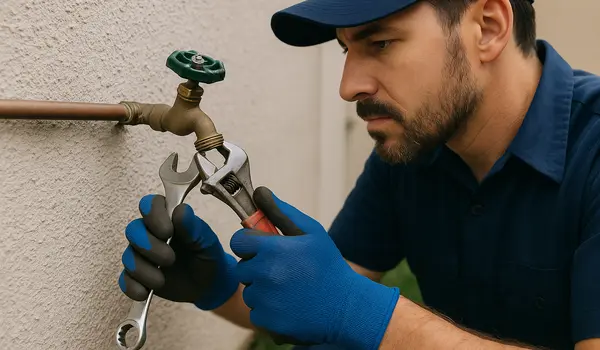
Searching for Water Heater Installation usually starts with a cold shower, rusty water from a faucet, or a tank that no longer keeps up with the morning routine. You may also notice banging pipes as the heater cycles, damp patches near the base, or low pressure at the hot-water side of the sink. Plumber Georgetown can inspect the tank, supply lines, and safety valves to determine whether the problem is the heater or the plumbing around it.
A small amount of discoloured water that clears quickly may be able to wait for a scheduled visit, especially if the tank is still heating normally. No hot water, water pooling around the tank, a leaking pressure-relief valve, or a sulfur-like smell should not wait. Shut off the water supply if you can do so safely, avoid touching electrical components, and keep children away from the wet area until the source is checked.
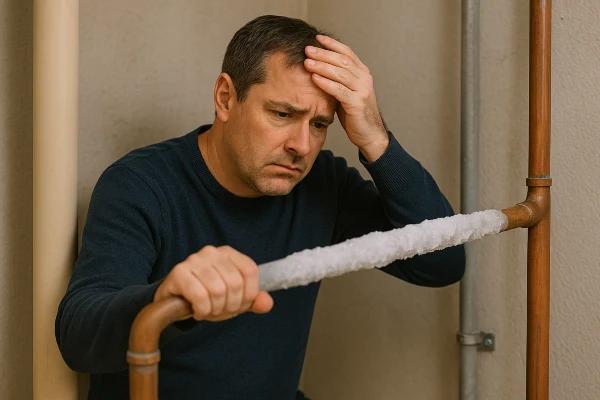

The work begins by confirming the heater size, fuel source, thermostat setting, and condition of the existing tank. The technician isolates the water supply at the shut-offs, checks the pressure-relief valve, and drains the old unit if replacement is needed. Supply lines, venting connections, gas piping, or electrical wiring are examined before the new tank is positioned. This prevents a new heater from being connected to a corroded valve or undersized line.
Learn more about our expert Toilet Replacement services.
After installation, new supply lines and shut-offs may be soldered or fitted, the thermostat is set, and the system is pressure tested for leaks. An anode rod may be reviewed because it helps slow tank corrosion by attracting mineral activity before the steel tank does. If slow drains or backup issues are found nearby, camera inspection or hydro jetting may be discussed separately; Toilet Replacement, trap repairs, and cleanout work are not automatically part of a heater installation.
A newer home with clear access to a garage tank often needs less pipe modification than an older property with a heater in a tight attic closet. Tankless units can save floor space but may require changes to gas capacity, venting, electrical circuits, or pressure regulators. In neighborhoods stretching toward Round Rock TX, hard-water sediment can collect in a tank, forcing the burner or elements to work longer and making capacity problems more noticeable.
What appears to be a simple repair can change after the old tank is drained and a leaking valve, rusted supply line, or damaged drain pan is exposed. Replacing an anode rod or thermostat may buy roughly one to two years in some cases, while a sound new tank can be the better long-term choice when corrosion is widespread. Winter demand, attic temperatures, and access for a drain line also affect the scope and material choices.
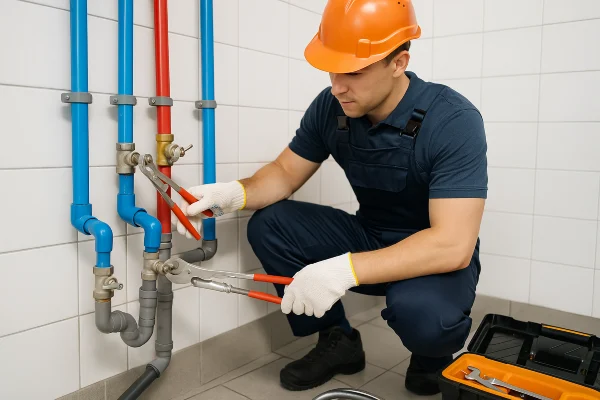
Ask the contractor to explain why the existing water heater failed and whether a repair is realistic or only temporary. A useful estimate identifies the tank type and capacity, valves, supply connectors, drain pan, venting or electrical work, permit requirements where applicable, and removal of the old unit. It should also separate related repairs, such as a pressure regulator or corroded shut-off, from the installation itself so there are no unclear additions later.
Before anyone begins, ask where the water and power or gas will be isolated, how the old tank will be drained, and how leaks will be tested after the connections are completed. A good explanation includes the condition of the anode rod, the function of the pressure-relief valve, and the thermostat setting appropriate for the household. Georgetown homeowners should also confirm access needs, such as clearing a garage path or attic opening before the appointment.
PLUMBER GEORGETOWN
501 S Austin Ave, Georgetown, TX 78626
5125921764
info@plumbergeorgetown.net
Hours of Operation
Open 24 Hours