
A slab leak often starts with a small change: low water pressure at the shower, a warm damp patch on tile, or discoloured water from a faucet that normally runs clear. You may hear water moving through pipes after every fixture is off, or notice a water bill climbing without an obvious reason. Plumber Georgetown can trace leaks beneath a concrete slab before moisture reaches baseboards, flooring, or the foundation.
A slow drip that has been confirmed and isolated may be able to wait for a scheduled visit, especially if the main shut-off stops the flow and no water is entering the home. It cannot wait if damp carpet spreads, hot water disappears, pipes bang, or a warm area develops across the floor. Those signs can point to a broken hot-water supply line, and continuing pressure can wash soil away beneath the slab.
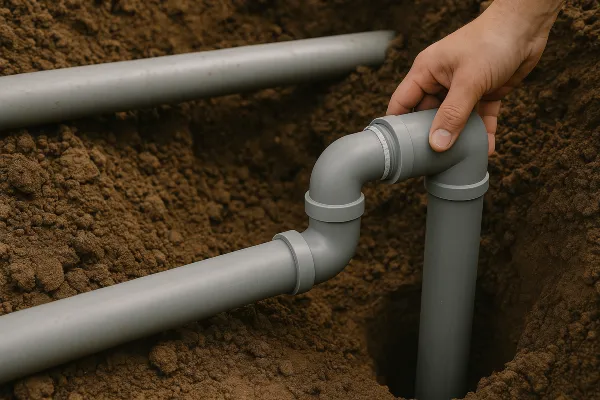
The work begins by checking the water meter, fixtures, valves, and main shut-offs to confirm that water is escaping where it should not. The plumber isolates sections of the supply lines, tests pressure, and listens for movement beneath the slab. If a drain problem may be involved, a camera inspection through a cleanout can show cracks, roots, or a blocked trap. Emergency Plumbing Services may be needed if active water is reaching walls or electrical areas.
After locating the likely source, the repair approach is explained before concrete or flooring is opened. A damaged copper, PEX, or PVC section may be accessed directly, rerouted around the slab, or repaired with new fittings and soldering where appropriate. Hydro jetting is reserved for confirmed drain obstructions, not supply-line leaks. Once the pipe and valves are restored, fixtures are re-seated if needed and pressure testing verifies that the repaired line holds.
A single-story home with exposed plumbing access is different from an older property with copper lines buried beneath tile, engineered flooring, or a thick post-tension slab. Access affects whether a plumber can reach the leak through a wall, a small floor opening, or a rerouted supply line. Soil movement during dry summer weather can stress joints, while winter freezes can expose weak pipe sections that had already been thinning.
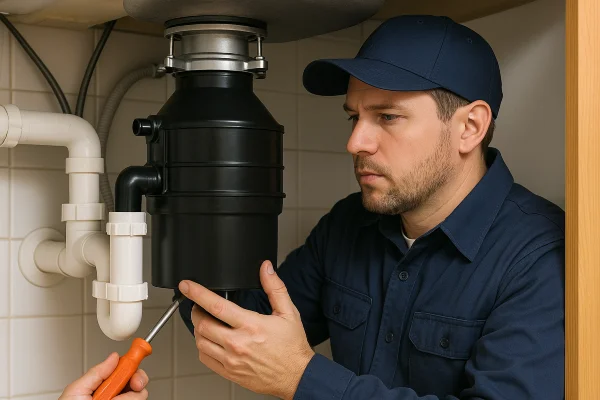
Learn more about our expert Garbage Disposal Replacement services.
What appears to be one pinhole leak can reveal worn fittings, corroded pipe, or a failing pressure regulator once testing begins. A small localized repair may buy roughly two years if the remaining pipe is near the end of its life; replacing or rerouting a vulnerable run can reasonably serve for fifteen years or more, depending on material and water conditions. Garbage Disposal Replacement is separate work, but its drain connections may be checked if kitchen moisture complicates the diagnosis.
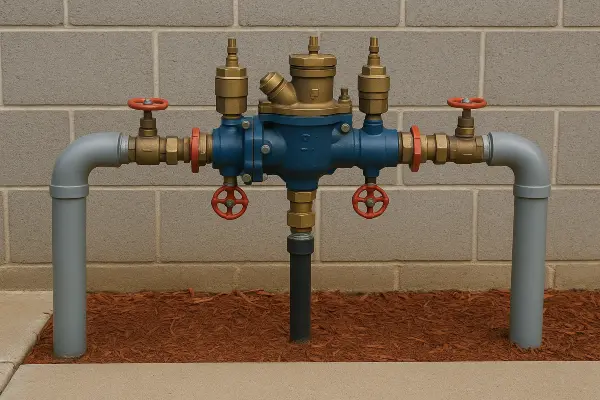
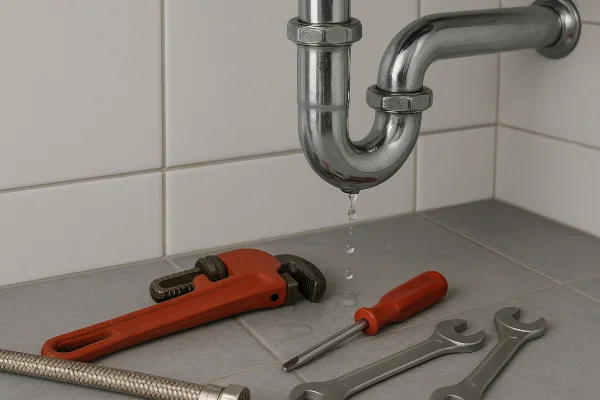
Ask how the leak will be located before anyone recommends breaking concrete. A clear answer should mention meter testing, pressure testing, acoustic equipment, thermal imaging, or a camera through a cleanout where drain lines are suspected. Request an estimate that identifies the suspected pipe, access method, repair material, floor or wall restoration exclusions, and testing after the repair. It should also explain what happens if the first opening does not reveal the leak.
A contractor should explain the difference between repairing a pinhole, rerouting a supply line, and replacing a larger section of copper or PEX. Ask where the main shut-off is, how long water may be off, and whether cabinets, tile, or a water heater tank must be moved for access. For a Georgetown, TX home, it is also useful to ask how soil movement, foundation cracks, and pressure regulator readings affect the proposed repair.
PLUMBER GEORGETOWN
501 S Austin Ave, Georgetown, TX 78626
5125921764
info@plumbergeorgetown.net
Hours of Operation
Open 24 Hours